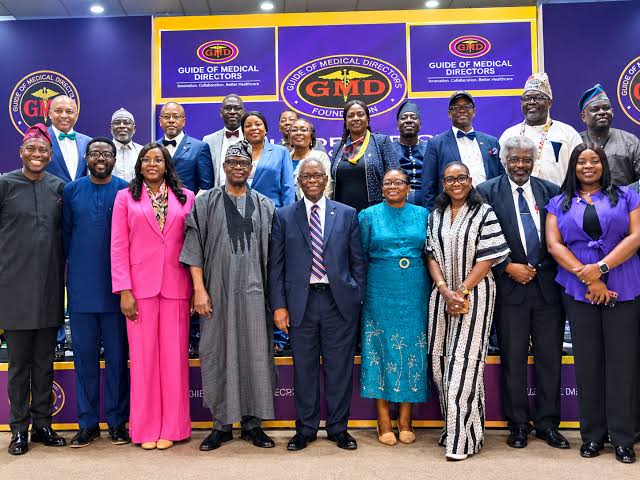


Lagos State Domestic and Sexual Violence Agency, DSVA, don train 50 medical social workers across different health facilities for the state on how to better support people wey survive sexual and gender-based violence.
The agency also don start another two-day training for medical doctors and other healthcare workers on how to prevent and properly manage sexual assault cases.
The training, wey DSVA organise together with Lagos State Ministry of Health and Lagos State Primary Health Care Board, dey focus on how health workers fit provide psychosocial, medical and forensic support to survivors.
The 50 medical social workers receive their training on September 3. Dem learn important things like how to listen actively, show empathy and put the survivor first when attending to cases.
DSVA explain say medical social workers dey important because many times, dem be among the first people survivors meet when dem enter hospital or other healthcare facilities.
Meanwhile, the agency don start a separate two-day training for medical doctors at the Lagos Chamber of Commerce and Industry.
READ ALSO: SARMAAN DON REACH OVER 16 MILLION CHILDREN AS NAIJA DEY FIGHT UNDER-FIVE DEATH
The first day of the training cover topics including different types of gender-based violence, the seriousness of sexual assault, survivors’ rights, rape-kit procedures, and how to properly record and report sexual and gender-based violence cases.
Health workers also discuss how culture and traditional beliefs fit affect survivors, as well as the different support structures wey Lagos State get for people wey experience sexual assault.
The training also explain the state’s mandatory reporting policy, with DSVA Head of Case Management, Oluwatumininu Oni, leading the session on response structures and reporting requirements.
Consultant Family Physician, Dr Oluwajimi Sodipo, also teach participants about the proper management of sexual assault cases.
The second day go focus more on the practical side of caring for survivors, including how to take survivors’ history, get informed consent, conduct medical examination, understand genital anatomy, prepare medical reports, provide treatment and prevent diseases.
Doctors and other participants go also learn how to coordinate survivors’ care through referral networks and how to properly collect forensic evidence wey fit help during court cases.
The forensic training go include DNA evidence collection, forensic screening and practical demonstration of rape kits. Dem go also discuss medico-legal issues.
Forensics Investigation Expert, Avril Eyewu-Edero, dey facilitate the forensic aspect of the programme.
While declaring the training open, DSVA Executive Secretary, Titilola Vivour-Adeniyi, reaffirm say the agency go continue to equip health workers with the right skills to attend to survivors with professionalism, care and sensitivity.
DSVA say the training no be only about learning definitions and government policies. Instead, dem design am to give health workers practical experience through case scenarios, demonstrations and discussions.
The agency say the main aim na to strengthen the entire survivor-care system, by connecting the psychosocial support wey medical social workers provide with the medical and forensic services wey doctors and other healthcare professionals provide.
According to DSVA, better coordination among health workers and other responders go help make sure say survivors receive the right support from the moment dem first seek help until forensic evidence collection and other stages of their case.