SEXUAL ABUSE AND GBV: HOW MEDIA DEY REPORT AM — DEM DEY HELP SURVIVORS OR DEY MAKE THEIR PAIN WORSE?

Journalists and media practitioners don receive strong warning make dem stop to use stigmatising words, harmful pictures and misleading narratives when dem dey report sexual and reproductive health matters, sexual abuse and gender-based violence.
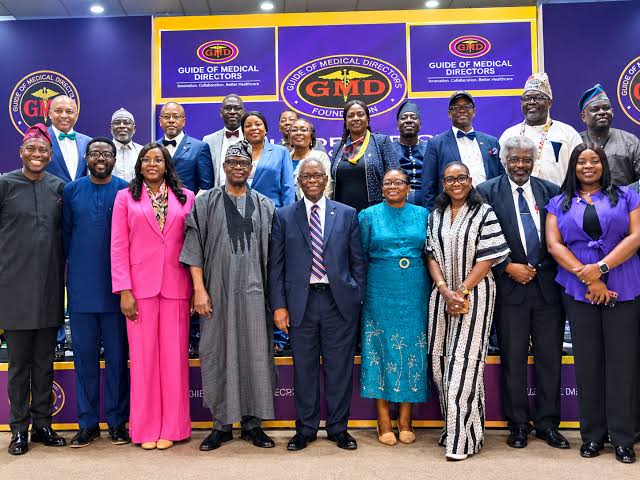
Executive Director of the Initiative to Resist Institutional Slavery and Exploitation (IRISE), Omodele Ejeh, give this warning during a media roundtable organised by the organisation for Ago, Lagos State. Ejeh, wey also be Nigeria country coordinator for One Billion Rising, say the media get serious power to shape how people dey see and understand sensitive issues, especially matters wey concern sexual health, abuse and violence against women and children.
She explain say the meeting na follow-up to one media training wey IRISE organise for February 2026, where journalists learn how to use evidence-based and rights-based approach when reporting sensitive issues. According to her, journalists no just suppose report wetin happen; dem also need think about the kind message their words, headlines, pictures and narratives dey send to the public.
Ejeh disclose say IRISE carry out a baseline research involving 100 media houses before the February training. The organisation examine how these media houses dey report sexual and reproductive health rights and gender-based violence, including the tone of their stories, sources of information and data, as well as whether their reports contain language or images wey fit stigmatise survivors or create wrong impressions.
She give example of one report about contraceptives where the written information dey correct, but the picture wey accompany the story show a heavily pregnant woman with the foetus visible. She say although the story itself no get problem, the picture send completely different and harmful message.
READ ALSO: RAPE CASES FOR LAGOS: FROM TRAUMA TO HEALING, WETIN SURVIVORS DEY FACE?
According to her, somebody wey no get enough knowledge about contraceptives fit look the picture and misunderstand the whole report. She therefore urged journalists make dem always ensure say the pictures, headlines and language match the real message of the story.
Ejeh also encourage professional journalists to become more active on social media. She say because citizen bloggers don increase the amount of information wey people dey consume every day, journalists need to use their professional knowledge and platforms to provide accurate information and challenge misleading narratives.
She warn say journalists should not allow their personal opinions, beliefs or moral views influence how dem report sensitive matters. Instead, reports should be fair, factual and respectful, particularly when survivors of sexual abuse or gender-based violence dey involved.
She also raise concern about the culture of silence surrounding incest, child sexual abuse and abuse by close family members. Ejeh say society sometimes dey silence survivors or sweep their experiences under the carpet, and this can make perpetrators continue their actions because dem no dey fear consequences.
She stressed say survivors need support and protection, while perpetrators should face appropriate punishment. She also called on society to believe and support survivors when dem speak out, noting that stigma and discrimination can discourage victims from reporting their experiences.
According to her, perpetrators sometimes take advantage of survivors’ fear by telling them say nobody will believe them. This kind threat, she explained, can make victims keep quiet and suffer the abuse alone.
IRISE want make media people and the organisation work together more closely to improve how journalists dey report matters wey concern sexual and reproductive health, gender-based violence and survivors.
The organisation say journalists need to continue learning and improving their reporting skills, so that the way dem report these sensitive issues go educate the public, protect survivors and challenge harmful stereotypes, instead of making the situation worse for the people wey don already suffer.